Quick Answer: The Storm Damage Claim Process
A storm damage roof insurance claim follows a clear process. It begins when you report the storm damage to your insurer, after ensuring safety and taking reasonable steps to limit further damage. You document the damage with photos and notes, and a professional roof inspection assesses and documents the damage and its cause. The insurer typically assigns an adjuster who assesses the damage and evaluates it against your policy. Based on this, the insurer makes a coverage decision and provides a settlement reflecting what is covered, minus your deductible and any depreciation. Once settled, you complete the repairs with a reputable roofer, and if your policy includes recoverable depreciation, any held amount may be released after the work is completed and documented. The claim is then closed. For a Lebanon homeowner, this process involves the homeowner, insurer, adjuster, and roofer, each with a role, and the specifics vary by insurer, so confirming with yours is sensible. Lebanon Roofing provides roof inspections, documentation, and repairs for Lebanon homeowners and can support the process from assessing the storm damage through completing the repair for your home.
Reporting the Claim
The process begins with reporting the storm damage to your insurer, after ensuring safety and taking reasonable steps to limit further damage. You contact your insurer to notify them of the damage and begin the claim. For a Lebanon homeowner, reporting reasonably soon is sensible. Because the insurer handles the claim and prompt notification is generally advisable, reporting the damage to start the claim is the first stage, so contacting your insurer to notify them, after the initial safety and mitigation steps, sets the process in motion, with the specifics of how to report depending on your insurer, so reporting the damage is where the storm damage claim process begins for your home, getting the claim underway.
The Settlement
The settlement reflects what the insurer has determined is covered, generally the covered cost minus your deductible and any depreciation, which you should review. If you believe covered damage was underassessed, you can provide documentation and request a re-evaluation. For a Lebanon homeowner, the settlement is a stage to review carefully. Because the settlement reflects the assessment and your policy, reviewing it against the documented damage helps you confirm it is fair, so rather than automatically accepting it, reviewing the settlement and, if needed, providing a professional inspection and discussing it with your insurer supports a fair outcome, so the settlement is an important stage before the repairs for your home.
Recoverable Depreciation
If your policy includes recoverable depreciation, a held amount may be released after the work is completed and documented, which is a stage some claims include. For a Lebanon homeowner, recoverable depreciation can affect the final payout. Because some replacement cost policies initially pay the depreciated amount and release the held depreciation once the work is done and documented, this can be part of the process under such policies, so if your policy includes recoverable depreciation, completing the work, documenting it, and providing that to your insurer may release the held amount, so understanding whether this applies to your policy and how it works clarifies the final stage of the payout for your home, so confirm it with your insurer.
Closing the Claim
The claim is closed once the covered work is completed, any recoverable depreciation is handled, and the process is finished. For a Lebanon homeowner, closing the claim concludes the process. Because the process concludes when the covered repairs are done and the payout, including any recoverable depreciation, is settled, the claim is then closed, so completing the repairs, handling any recoverable depreciation, and finishing the process brings the claim to a close, so understanding that the claim closes after the work and payout are finalized helps you see the end of the process, with good records kept throughout supporting a smooth conclusion for your home, so keep your documentation to closing.
The Insurer's Adjuster
A central part of the process is the insurer's adjuster, who is typically assigned to assess the damage and evaluate the claim against your policy. The adjuster visits to assess the roof, and you can have your documentation and the roofer's assessment available. For a Lebanon homeowner, the adjuster's assessment is a key stage. Because the adjuster evaluates the claim and determines the covered scope, providing thorough documentation and having a professional assessment available helps ensure the damage is accurately assessed, so the adjuster's visit, informed by good documentation, is where the insurer evaluates the claim, making it a pivotal stage in the process for your home, that shapes the outcome.
The Coverage Decision
Based on the assessment, the insurer makes a coverage decision, determining whether and to what extent the storm damage is covered under your policy. For a Lebanon homeowner, the coverage decision establishes what the claim covers. Because coverage depends on whether the damage stems from a covered peril and your policy terms, the insurer's decision, informed by the assessment, establishes the covered scope, so the coverage decision is where the insurer confirms what is covered, leading to the settlement, with the outcome depending on the cause and your policy, so understanding that this decision follows the assessment helps you see how the process leads from the damage to what is paid for your home, stage by stage.
The Professional Inspection
A professional roof inspection is a key part of the process, assessing and documenting the storm damage and its cause. A qualified roofer safely inspects the roof, identifies the damage, and provides documentation and an estimate. For a Lebanon homeowner, the inspection provides an accurate assessment that supports the claim. Because the process benefits from clear documentation of the damage and its covered cause, a professional inspection that records both supports it, so getting one around the time of reporting and filing establishes the damage clearly, with the insurer also assessing it through the adjuster, so the professional inspection is an important part of the process. Lebanon Roofing provides inspections for Lebanon homeowners.
The Bottom Line
A storm damage roof claim follows a process: reporting, documenting, a professional inspection, the adjuster's assessment, a coverage decision, a settlement, the repairs, any recoverable depreciation, and closing, involving the homeowner, insurer, adjuster, and roofer. For a Lebanon homeowner, understanding the stages and roles helps you navigate the claim, though the specifics vary by insurer, so confirming with yours is sensible. Lebanon Roofing provides roof inspections, documentation, and repairs for Lebanon homeowners and can support the process from assessing the storm damage through completing the repair. Call (317) 350-1984 for an inspection or help with your roof for your home.
The Repairs
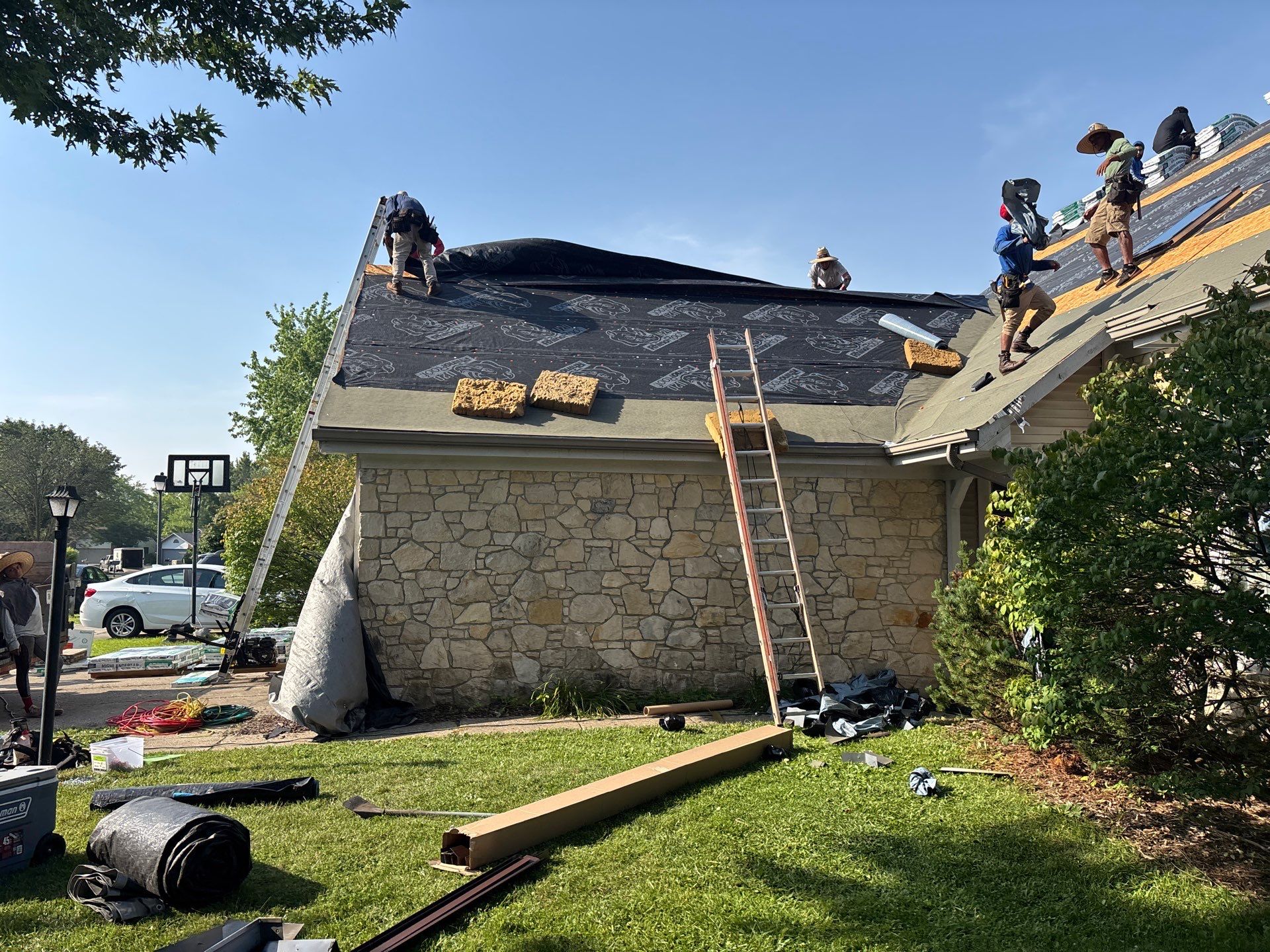
Once the claim is settled, the repairs are completed with a reputable roofer, with you paying your deductible and coordinating with your insurer. For a Lebanon homeowner, this stage restores the roof. Lebanon Roofing provides repairs and replacements for Lebanon homeowners. Because the goal is to restore the roof properly, having a reputable, established local roofer complete the covered work, in coordination with the settlement, returns the roof to good condition, so the repairs are the stage where the storm damage is resolved, with you generally able to choose your own contractor, so completing the repairs with a trusted roofer, after the claim is settled, is the stage that restores the roof and resolves the damage for your home.
The Damage Assessment
During the assessment, the adjuster evaluates the storm damage against your policy to determine the covered scope and what the claim covers. This assessment, informed by the documentation and any professional inspection, shapes the settlement. For a Lebanon homeowner, the assessment determines the covered scope. Because the payout reflects the covered scope the assessment establishes, a thorough, well-documented assessment matters, so the adjuster determining what damage is covered and the scope of the covered work, informed by your documentation and a professional inspection, sets the basis for the settlement, so the assessment is the stage where the covered scope is determined, driving what the claim will pay for your home.
Documenting the Damage
Early in the process, documenting the storm damage provides the record the claim is built on. You take photos of the damage, note the date and cause, and keep receipts for any mitigation. For a Lebanon homeowner, thorough documentation supports the claim throughout the process. Because the claim is assessed on the damage and its covered cause, a clear record of both supports the process, so documenting the damage early, before repairs beyond temporary measures, gives you, the adjuster, and your roofer a clear picture, which the professional inspection complements with a detailed assessment, so documentation is a foundational part of the process that supports the stages that follow for your home.